


I helped run a food manufacturing technology startup for seven years. Food margins are slim, so at an industry level automation and digital process control are prevalent. It always amazed me what legacy processors and system integrators could design and manufacture if given a defined budget and task to automate. Something I thought was science fiction was actually commonplace in the production environments that make many of the food products we all know and love. Think things like optical sorting machines and robotic packaging lines.
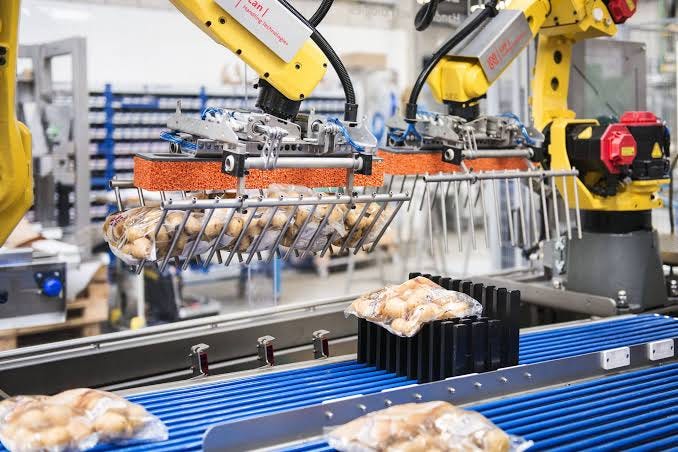
What I took from this was that automation alone isn’t enough to win. At its core, automation just shifts costs from opex (e.g. labor) to capex (e.g. equipment/robots). What that automation enables (e.g. lower prices, more uptime, etc.) is far more important than the fact that something is, in fact, automated.
As the market gets more infatuated with startups doing “automation”, a nuanced understanding of the technology behind it and what it enables are critical. Is a proposed innovation a true automation breakthrough or something a legacy system integrator could design and implement? What is the measurable payback on NRE (non-recurring engineering cost)? Does the return from incurring that NRE cost allow a manufacturer to (durably) win on price? As a general rule, the more specific the value prop, the more valuable the company equity.
Go see more factories if you can. I think you’ll be surprised at what you’ll learn!
Factory visits are great. The Amazon Fulfillment Center tour is also fascinating -- seeing how much is automated, and what actually... isn't.